Maximize Local Impact, Drive Local Performance.
Why AI Agents Are a Game-Changer for Businesses
Save 20+ hours/week by automating tasks like data entry or content updates.
Cut human errors—AI agents follow rules perfectly.
What Is an AI Agent?
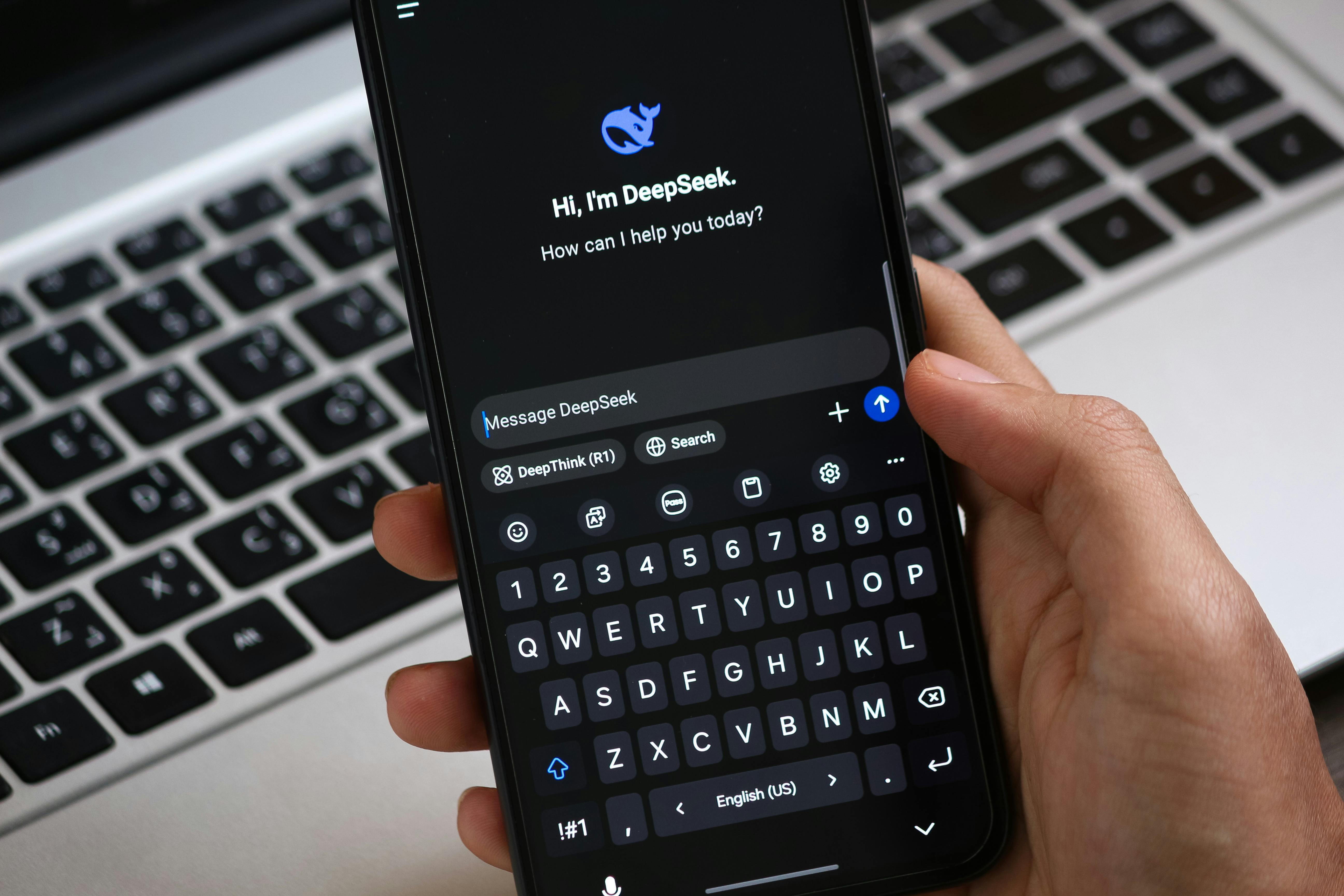
An AI agent (or intelligent agent in AI) is a program that perceives its environment, makes decisions, and takes actions to achieve specific goals—without constant human input.
If you’ve ever asked Siri for the weather or watched Netflix’s eerily accurate recommendations, you’ve interacted with an AI agent. These digital helpers are everywhere. But how do they actually work? Let’s pull back the curtain. Imagine having a 24/7 employee who never sleeps, learns from experience, and handles repetitive tasks flawlessly from answering customer queries to optimizing your website for search engines. That’s the power of an AI Agent. In 2024, businesses using AI agents report 40% faster task completion and 30% cost savings (McKinsey). But what exactly are they, and how can they transform your workflow? Let’s break it down—in plain English.
What Is an AI Agent? The Secret Weapon Automating Your Business Growth -

Karthi
May, 2025
•
8 min read
Think of it like a self-driving car:
Perceives surroundings (sensors, data inputs
Decides when to brake or turn (algorithms).
Acts autonomously (steering, accelerating).
In business, AI agents automate everything from customer service (chatbots) to SEO optimization (like CloseBi’s HyperFly™).
How AI Agents Work: The 4 Key Components
1. Sensors (Input)
Collects data (e.g., user queries, market trends, website analytics).
Example: HyperFly™, our hyperlocal marketing platform, scans Google search trends to find high-traffic keywords for your business.
2. Processor (Decision-Making)
Analyzes data using rules, machine learning, or LLMs (like GPT-4).
Example: An AI agent decides which email subject line boosts open rates.
3. Actuators (Output)
Takes action (e.g., sends responses, updates your website).
Example: HyperFly™ auto-publishes SEO-optimized blog posts for you.
4. Learning Mechanism
Improves over time (learning agent in AI).
Example: The more data HyperFly™ processes, the better it predicts ranking opportunities.
By 2025, 50% of enterprises will use AI agents for customer interactions (Gartner). Early adopters gain a massive competitive edge—like businesses using HyperFly™ to:
The Future: AI Agents Are Getting Smarter
Deploy Your AI Agent with CloseBi: Makes It Easy
No tech skills needed—set up in 5 minutes.
Built for business growth (SEO, content, listings).
Learns and adapts—so you stay ahead of algorithms
Stop wasting time on manual tasks. Let HyperFly™’s AI Agent do the work
Real-World Example:
CloseBi’s HyperFly™ AI Agent automates local SEO, content creation, and listing updates—so a 10-location restaurant chain can rank #1 in every city without hiring an SEO team.

What is Psychographic Segmentation?
8 min read
Jesica koli

May 4, 2025
What is composable architecture
8 min read
Jesica koli
May 4, 2025
Latest Blogs
Want More Footfall at Your Retail Store?
Lorem ipsum dolor sit amet, consectetur adipiscing elit, sed do eiusmod tempor incididunt.

what are the components of a website
8 min read
Jesica koli
May 4, 2025
popular Blogs
what is an ai agent
8 min read
Jesica koli
May 4, 2025
+(91) 0000 0000
closebi@ai.co
Subscribe to get an update :
Subscribe
CloseBi is a product of Hyperready Technology LLP. © 2025 Hyperready Technology LLP. All rights reserved.
CloseBi.AI — Smarter, Search-Led Growth with AI Agents CloseBi helps businesses accelerate organic growth and increase visibility through a search-led strategy powered by intelligent AI agents. From optimizing local search to driving real-time engagement and reputation management, our platform transforms everyday interactions into measurable business outcomes.
How to Improve Local SEO?
karthi
May, 2025
•
8 min read
Local SEO is about making your business visible when people nearby search for the services you offer.
Here’s what this means:
If someone searches “plumber Pune” or “IT support for small business Pune”, you want your business to show up.
For local service businesses foot traffic, calls and nearby clients matter.
The major difference from generic SEO is location relevance: search engines try to figure out where the user is and show businesses near them.
In short: improving local SEO = increasing your chance of being found by people nearby when they need you.
The core signals in Local SEO
Before you jump into tactics, it helps to understand the three major ranking signals for local search. According to both Google and SEO agencies:
Distance (or proximity): How far your business is from the searcher’s location (or the location implied in the query).
Prominence: How well-known your business is (online signals such as reviews, links, citations) and offline signals (reputation, physical location).
Knowing this means every optimisation you do should address one or more of these.
Step-by-Step: How to Improve Local SEO
Here’s a structured 7-step workflow. You could adapt this into your blog or content for your marketing clients.
1. Claim and fully optimise your business listing
Especially on Google Business Profile (GBP).
Why: It’s often the first place the search engine looks for info about your business. According to Google, “businesses with complete and accurate info are more likely to show up”.
What to do:
Ensure your business name, address, and phone number (NAP) are correct.
Choose the most accurate category (e.g., “Web development service” vs “Software company”).
Write a clear description of your services and area you serve (include locality).
Add high-quality photos: both exterior (if you have a storefront) and interior/team/service shots. This builds trust and helps your profile stand out.
If you serve clients at their location (service area business) rather than at a storefront, define your service area properly.
Tip for your client base: For an SMB, this might just take one afternoon — go through GBP, fill in missing fields, upload 3-5 quality images, get the NAP consistent.
2. Perform local keyword research
You need keywords that include your service + locality + intent (e.g., “SEO for local business Pune”, “IT support Pune small business”).
Why: Even local search requires good targeting. According to guides: you still need to find “local intent” keywords.
What to do:
Brainstorm what a local customer would search (e.g., “digital marketing agency Pune”, “near me”, “small business SEO Pune”).
Use tools (Google Keyword Planner, Ubersuggest, Semrush) to check search volumes and competitiveness.
Analyse SERPs for your seed keywords: what shows up? Map-pack, blog posts, local pages? That gives you cues.
Application: For your SaaS/SMB development business, you could create keywords like “local business web development Pune”, “SMB custom software Pune”, “small business SEO services Pune”.
3. Optimise your website for local intent
Your website still matters. You need to show search engines that you serve your local area and understand the local context.
What to do:
Create dedicated service-pages or location-pages: e.g., “Web development in Pune”, “Custom software for Pune SMEs”.
Use location keywords naturally in title tags, H1s, meta descriptions, body copy. Avoid keyword stuffing. Backlinko+1
Ensure your URL structure is clear: e.g.,
yourdomain.com/services/pune-web-developmentrather than random parameters. According to landing page best-practices this matters.On each page, include your NAP (name, address, phone) and for service-area businesses mention the areas you serve.
Technical site health: mobile-friendly, fast page load, good navigation. Google uses mobile-first indexing.
For your target audience: Emphasise in content “we serve local businesses in [city/area]” and show case studies of local clients (if any) to build relevance.
4. Build and manage local citations and directories
What is a citation? An online mention of your business name + address + phone (NAP) on directories, listings, review sites.
Why it matters: These citations help search engines verify your business information and it contributes to prominence.
What to do:
Ensure your NAP is EXACTLY the same everywhere (same spelling, format). Even small differences (Rd vs Road) may hurt. Make Me Local
Submit to major general directories (local business directories, Yellow Pages equivalents in your region).
Submit to niche-specific directories (if you serve a niche: e.g., “software development Pune directory”).
For multi-location businesses: each location needs its own listing/citation. Make Me Local
Tip: For a local service business in Pune, list on Google My Business (already covered), also on Bing Places, local Indian directories like Justdial, Sulekha, etc., ensuring consistent NAP.
5. Manage reviews actively
Reviews are critical in local search and for conversion.
Why: They signal trust and reputation. Google says they factor into local ranking and prominence. Google Help+1
What to do:
Encourage satisfied customers to leave reviews.
Respond publicly (thank positive reviewers, respond constructively to negatives). That also signals you care. Semrush
Display reviews/ratings on your website (if possible) to reinforce credibility.
For service businesses: ask after project completion or follow-up email with review link.
Note: Avoid buying reviews or incentivising reviews in ways that violate terms. Google disallows those tactics. Ahrefs
6. Create locally-relevant content and build local links
Content and links remain part of local SEO.
What to do:
Blog about local issues/topics: e.g., “Why Pune SMBs need customised software in 2025”, “Top 5 local IT reasons small businesses choose SaaS in Pune”. This builds relevance.
Get links from local websites: local news outlets, blogs, community pages, partner businesses. Local links boost prominence.
Use schema markup (structured data) for local business: This helps search engines understand your business entity. Semrush
For your scenario: You could co-author a guest post with a local business association (Pune SMB-community) and link back to your service pages — builds local authority and link value.
7. Track, measure and refine
What gets measured gets improved. Without monitoring you won’t know what’s working.
What to track:
In GBP (Google Business Profile): insights for how many times you appeared in search & maps, clicks to website, phone calls, direction requests.
On your website: track organic traffic to location/service pages, bounce rates, conversion events (calls, form fills).
Rank tracking for local keywords or map-pack positions (you can use tools like Semrush Map Rank Tracker, etc.)
Review volume and ratings (how many new reviews, average rating).
Refine: Based on these metrics, identify under-performing locations or pages, tweak content/keywords, get more reviews, fix listings.
Checklist for Local SEO (Summary)
Here is a quick checklist you can provide to your clients/business owners:
Business listing (Google Business Profile) claimed and optimised (NAP correct, category selected, images uploaded)
Website keywords researched (service + location)
Website service pages include location references, address, local content
Landing pages or service-area pages created for each location (if multi-location)
NAP consistency across website, listings, directories
Business listed in key directories/citations
Review strategy in place (ask for reviews, respond to them)
Content created that speaks to the local market (blogs, events, case studies)
Local links and partnerships explored
Performance tracking set up (GBP insights, web analytics, review metrics)
Monthly/quarterly audit to keep info updated, fix inconsistencies
Special Considerations for Service-Based and SMB Audiences
Since your target is small/medium local businesses (not enterprise) and you want them to understand and act — here are some specific angles:
Emphasise low-hanging fruits: Many SMBs haven’t claimed their profile or listed on local directories. That means you can show quick wins.
Focus on intent-driven search: Local searchers often have high intent (“I need a plumber now”, “I need a local software developer”). Make sure your content matches that urgency (clear CTA: “Call us now”, “Get a quote”)
Location modifiers matter: Use neighbourhood/area names if your service area is inside a city (e.g., “Web design in Kothrud, Pune”)
For service-area business (no storefront), clarify “serving [list of localities]” in the profile and on the landing page — this helps with proximity signal.
Updates matter: Regularly posting photos, offers, company updates via GBP shows activity (positive signal)
Educate the owner/client: Many small business owners don’t know these basics — provide them a simplified version of the checklist and maybe ask them to commit to one local SEO task a month.
What This Really Means for You (and Your Content Strategy)
When writing content (blogs, service pages) for your own company or for clients, include local context: mention the city/area, include locality keywords, talk about local customer success stories.
On your agency site (for example, your software development company targeting local businesses), make sure you have pages like “Custom software development for Pune-based small business” rather than only generic “Custom software development”.
Use your content to educate clients about how local SEO works — this positions you as the expert and helps them buy into the process.
Integrate this into your lead generation for local businesses: offer a “local SEO quick audit” (check GBP, citations, NAP) as a free value add.
Since you handle cold-emails and outreach: tailor your message to highlight “we’ll optimise your ‘near me’ presence so your neighbours find you first”.
What is Psychographic Segmentation?
8 min read
Jesica koli
May 4, 2025
What is composable architecture
8 min read
Jesica koli
May 4, 2025
Latest Blogs
Want More Footfall at Your Retail Store?
Lorem ipsum dolor sit amet, consectetur adipiscing elit, sed do eiusmod tempor incididunt.
what is an ai agent
8 min read
Jesica koli
May 4, 2025
what are the components of a website
8 min read
Jesica koli
May 4, 2025
popular Blogs
CloseBi.AI — Smarter, Search-Led Growth with AI Agents
CloseBi helps businesses accelerate organic growth and increase visibility through a search-led strategy powered by intelligent AI agents.
From optimizing local search to driving real-time engagement and reputation management, our platform transforms everyday interactions into measurable business outcomes.
CloseBi is a product of Hyperready Technology LLP.
© 2025 Hyperready Technology LLP. All rights reserved.
📍 Built for visibility. Powered by AI. Driven by results.
+(91) 90031 19844
info@hyperready.tech
Subscribe to get an update :
Company
Policies
CloseBi.AI — Smarter, Search-Led Growth with AI Agents
CloseBi helps businesses accelerate organic growth and increase visibility through a search-led strategy powered by intelligent AI agents.
From optimizing local search to driving real-time engagement and reputation management, our platform transforms everyday interactions into measurable business outcomes.
CloseBi is a product of Hyperready Technology LLP.
© 2025 Hyperready Technology LLP. All rights reserved.
📍 Built for visibility. Powered by AI. Driven by results.
+(91) 90031 19844
info@hyperready.tech
Subscribe to get an update :
Company
Policies
Maximize Local Impact, Drive Local Performance.